Cart
0
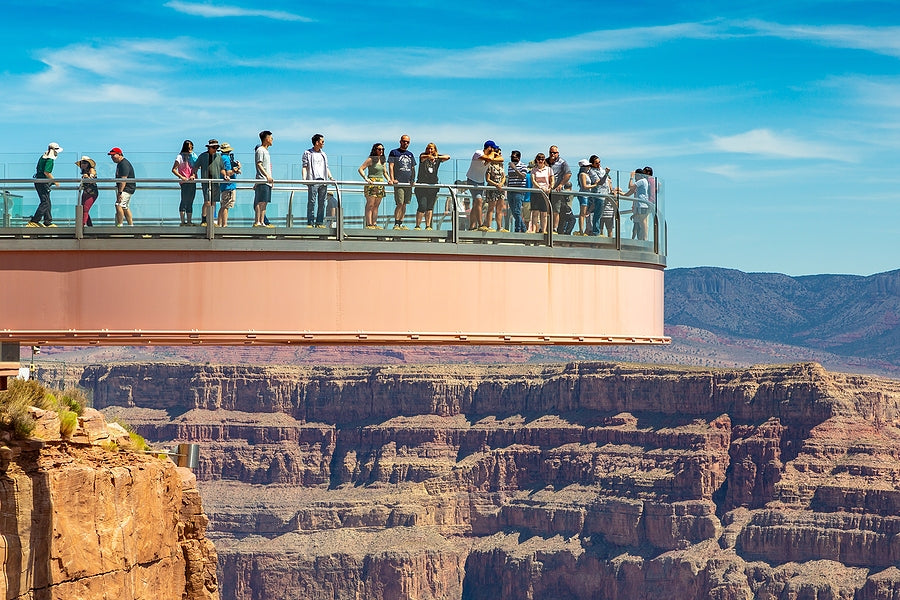
Every architect, building manager and homeowner who intends to use walk-on glass in their building has a different purpose for it, and this will often shape the type of glass used and its overall application.
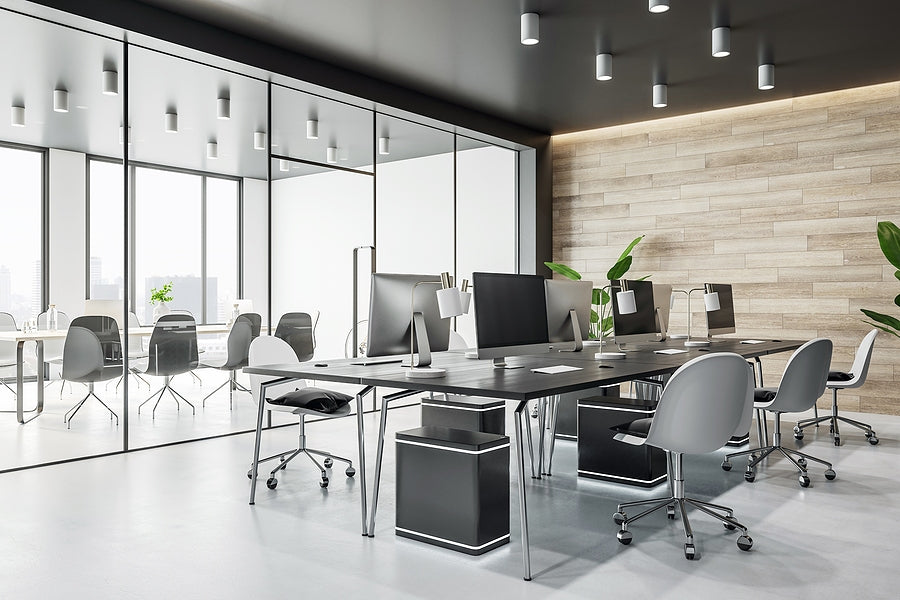
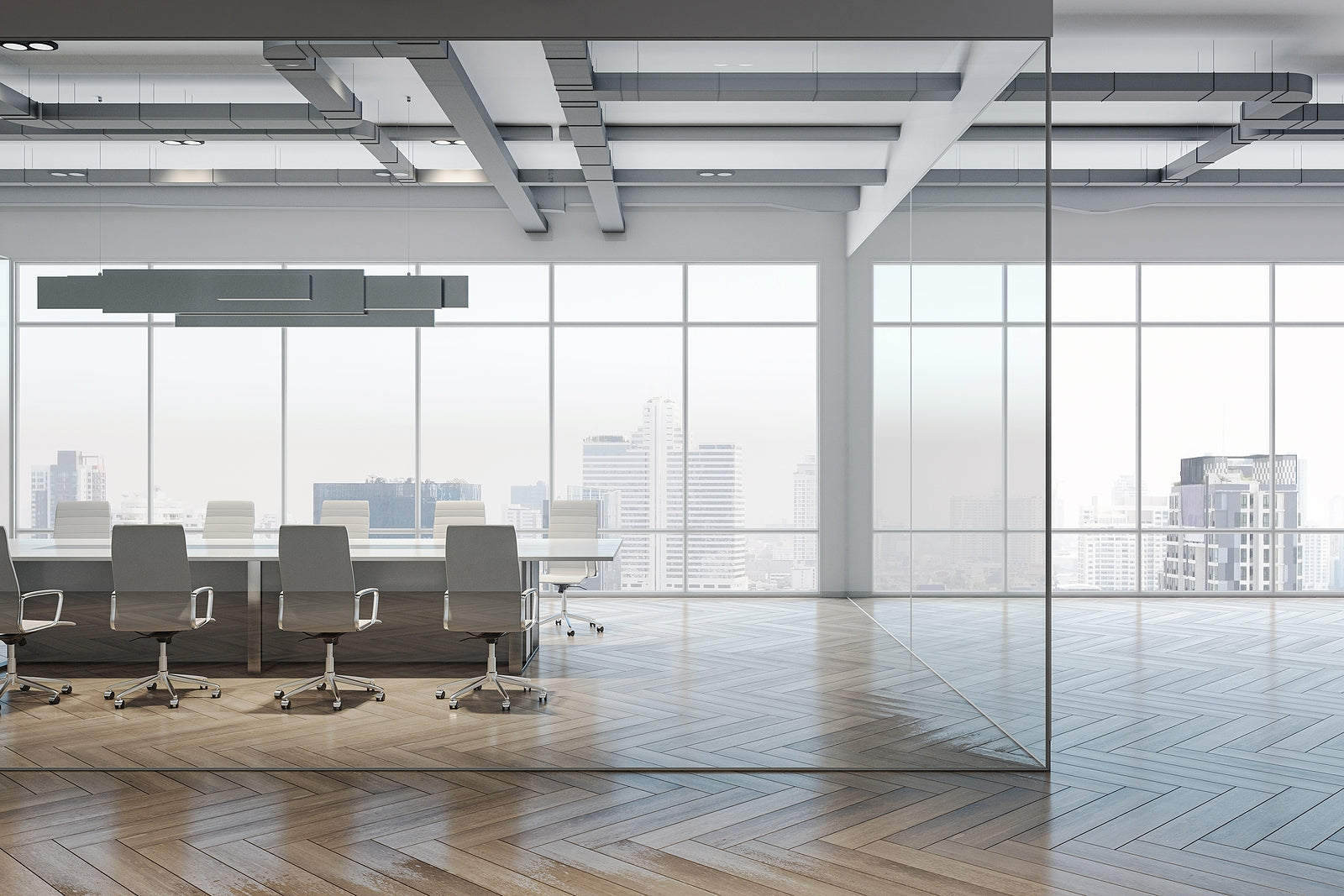
In many cases, the goal of walk-on glass is both aesthetic and practical; it looks clean and professional, but it also allows for extra natural daylight to filter through your entire building.
Some taller buildings even take advantage of their height to create observation rooms with glass floors, giving a panoramic view of the cityscape.
However, this is not the only use for walk-on glass panes, as there have been some incredibly ambitious, unique and elaborate uses that have motivations ranging from conservation to art.
Here are some of the most unique applications and what we can learn from them in architecture.
Why Did Walk-On Glass Bridges Become Popular?
In the late 2010s, China had a huge wave of glass bridges that spanned many of its hills, valleys and national parks, inspired by the skywalk concept.
Perhaps the best illustration of this glass bridge mania was the Zhanjiajie Grand Canyon bridge in Hunan, which was closed via government intervention after just 13 days because it was just too popular.
These glass bridges, which were so strong that full-sized SUVs could be driven over them, allowed for both incredible heart-stopping views and the ability for visitors to see grand national parks without necessarily worrying about how it could potentially hurt the view.
Although it does not cross the Canyon, the most famous and highest glass floor bridge above ground is the Grand Canyon Skywalk, a horseshoe-shaped bridge that allows for astonishing views whilst having the strength to hold 70 fully-loaded Boeing 747s.
How Are Glass Floors Used In Research?
Locomotion studies, both of machinery and animal gaits, were historically limited by an opaque floor. This meant that the mechanics of walking could only be seen from above and at the side, limiting access to some vital knowledge.
By having a glass floor, a walk can be viewed from all angles, not only becoming useful for artists wanting to create dynamic shots, but also in assisting with walking ergonomics, which can be vital when creating comfortable running shoes or ergonomic accessories.
Similarly, whilst more of an artistic study than research, walk-on glass is sometimes used to help with studies of foreshortening, and allows for some truly stark and shocking references to be implemented in art.
How Are Glass Floors Used In Planetariums?
A particularly unique approach to using glass floors is increasingly seen in dedicated planetariums, which aim to project astronomical features and parts of the night sky onto a typically domed roof.
Planetariums take all forms, shapes and sizes, but a very novel approach some newer, higher-end buildings take is to pair the projection dome with a glass floor, allowing for the illusion of a sphere projection that makes viewers feel like they are floating in space.
This can create a truly incredible and captivating attraction, wowing audiences and providing an educational experience that even a conventional planetarium dome cannot always provide.