Cart
0
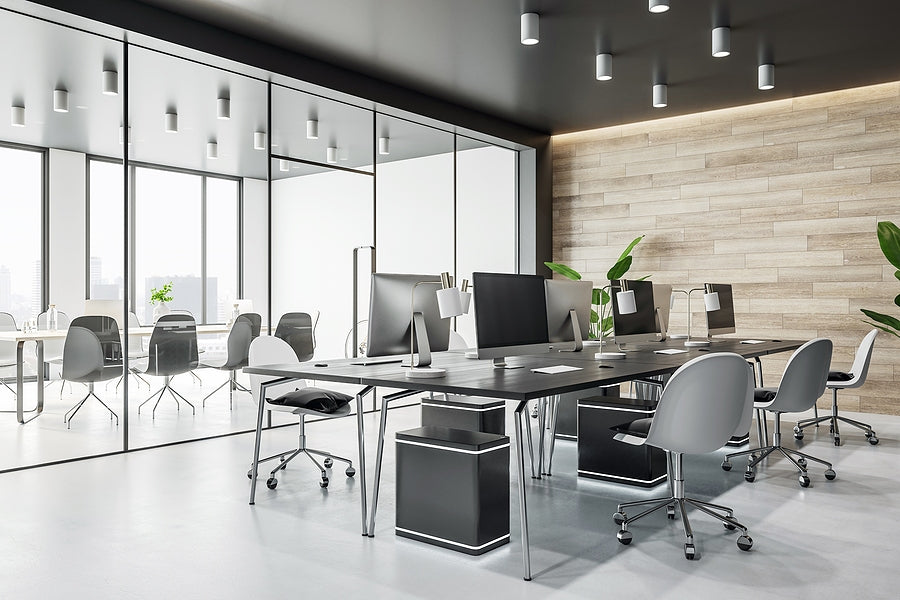
The glass in your building can have a remarkable effect on the internal temperature of a room, and ensuring a comfortable environment to live and work in during a heatwave means focusing on all glass furniture, not just windows.
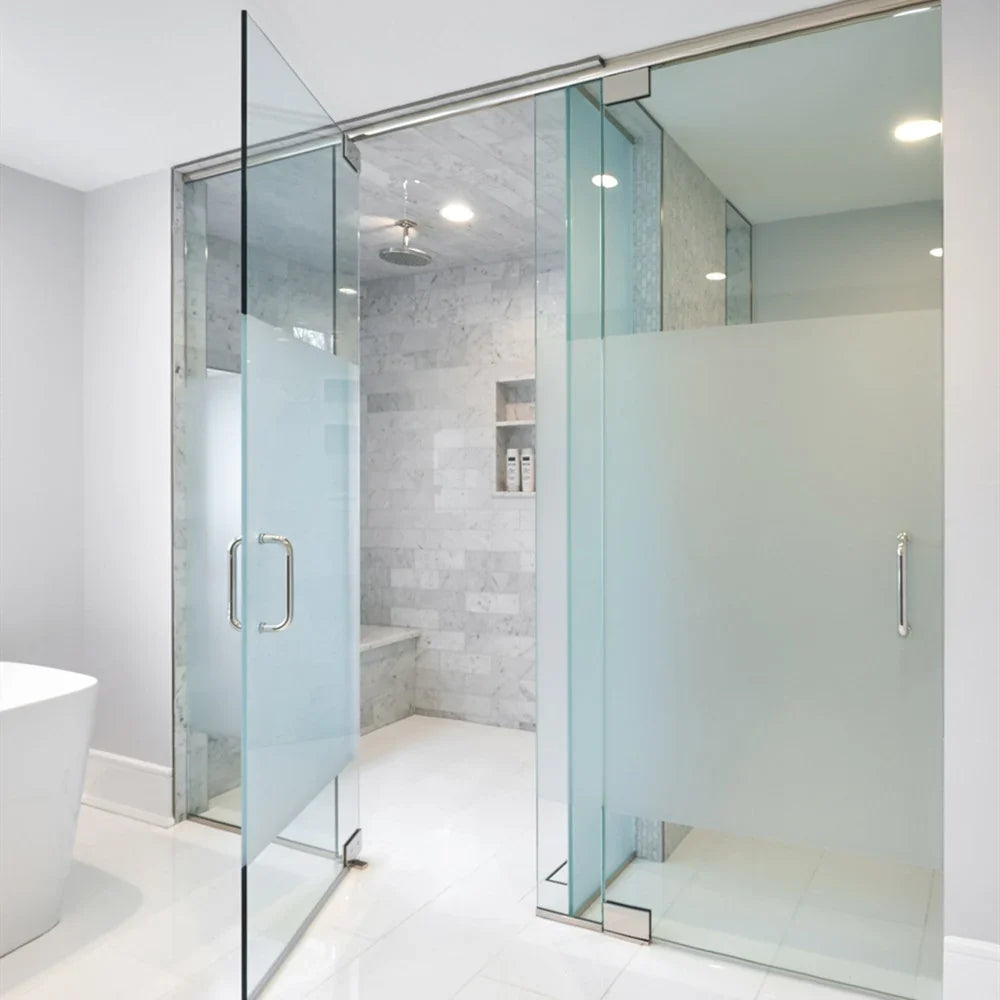
Given the popularity of bespoke glass partitions in offices, commercial settings and modern houses, it is increasingly important to know how heat and temperature changes can affect them and the people who interact with them every day.
The answer can vary based not only on the type of glass used to make the partition, but also where it is located relative to sources of heat and light, how it is interacted with, and how evenly spread the sun’s rays hit it.
A heatwave makes these questions significantly more important, especially for older offices, as the prolonged hot weather can increase the surface temperature of the glass far beyond the ranges expected when it was fitted.
With that in mind, here are some common questions and misconceptions, and the truth behind them.
Can Glass Partitions Shatter If They Get Too Hot?
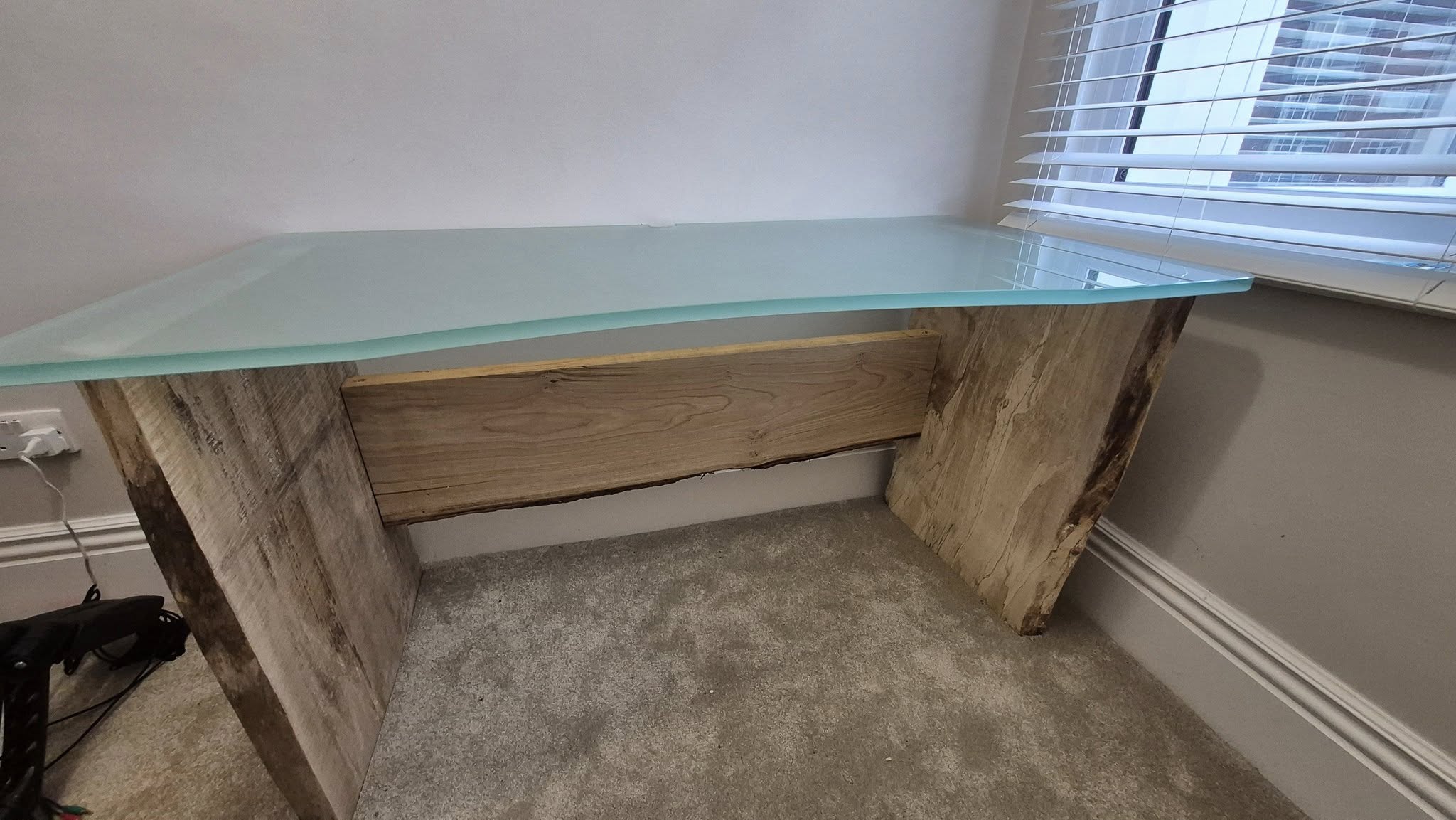
Whilst a theoretical risk, depending exactly on how your glass partitions or furniture is made, the likelihood of your glass desk or frosted partition suddenly collapsing into shards of glass whilst you are using it is practically zero.
To understand why, we need to explain what causes glass to spontaneously break in the first place.
Why Does Glass Shatter In Heatwaves?
Whilst glass can shatter for a handful of reasons, the main cause in heatwaves is temperature fluctuations, which create and exacerbate existing stresses within the glass.
Generally, it happens when sunlight hits one part of a partition whilst the rest is significantly cooler due to the effects of air conditioning.
Glass, like many materials, expands when it gets hot and contracts when it cools down, and when these two opposing forces affect the same glass object, it can create stress points that can cause it to weaken or even shatter.
Why Is This Unlikely?
Most structural glass is designed with thermal stress in mind, and a range of innovations stops it from suddenly shattering.
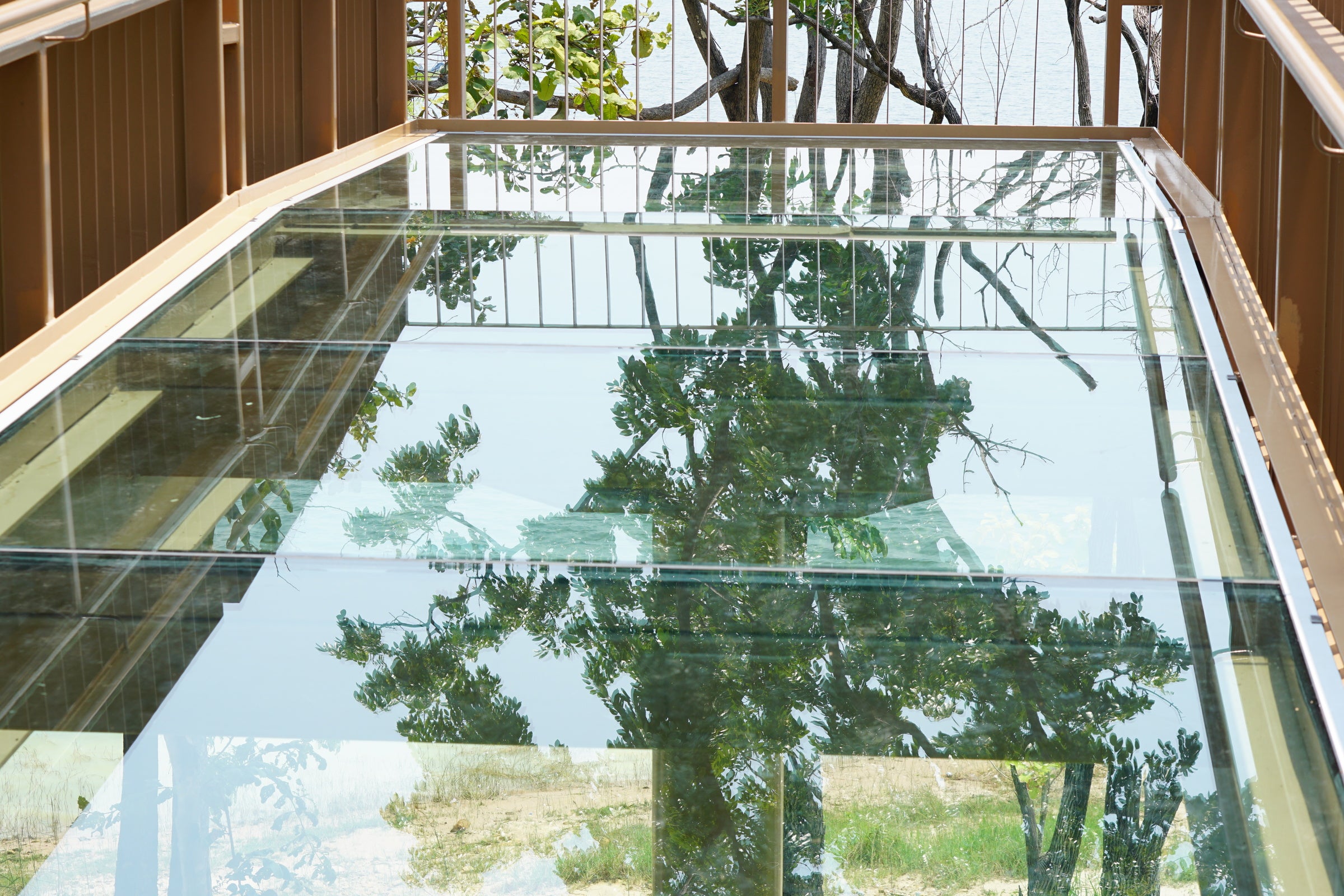
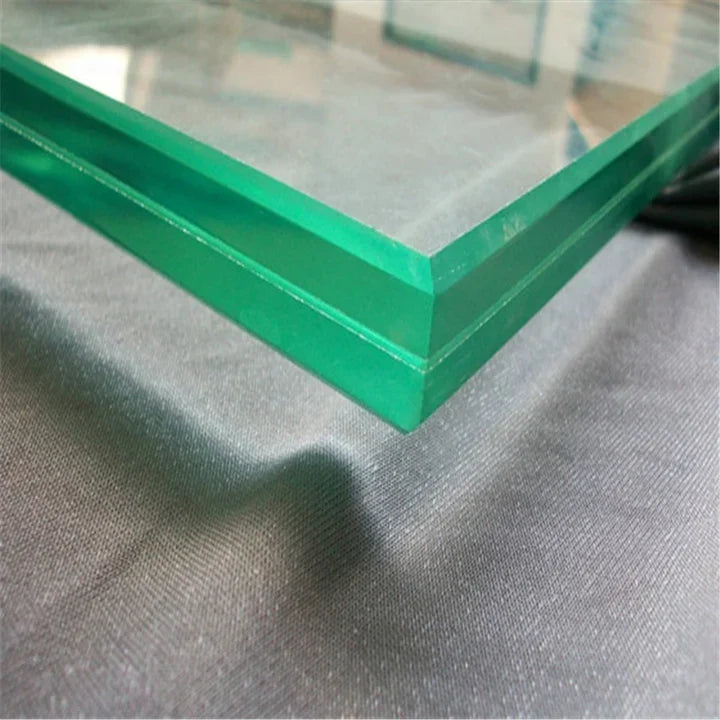
The simplest of these is that a lot of glass used for floors, skylights, partitions, balustrades and furniture is not only tempered but also laminated.
Tempered glass intentionally adds heat stresses to make it stronger, but lamination ensures that the glass will stay together even if it shatters.
Why Does A Glass Room Feel Hotter?
Glass is a wonderful and highly versatile construction material, but one consequence during heatwaves is that it can create an inadvertent ‘greenhouse effect’.
This is where sunlight, heat and ultraviolet radiation are allowed into a room but not allowed to escape, causing it to be absorbed by everything in the room and creating a much higher ambient temperature.
A simple solution is to block out UV rays, either through blackout curtains, UV-resistant film or using frosted glass.
The latter works by breaking up solar rays, reducing the intensity and harshness of solar glare and preventing any individual object from becoming a focal point for heat.