Cart
0
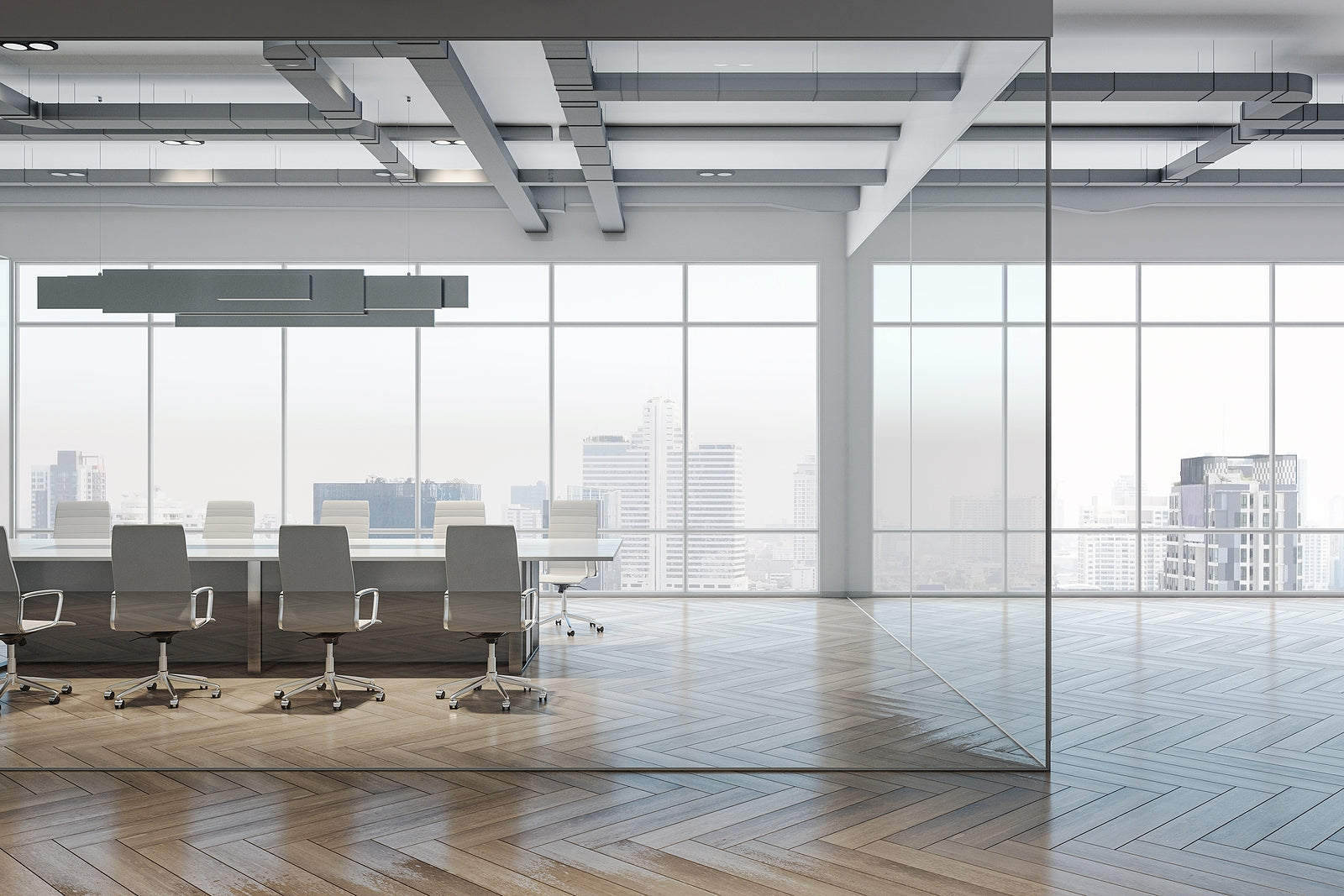
Modern offices often require a range of design and architectural features that can sometimes contradict each other.
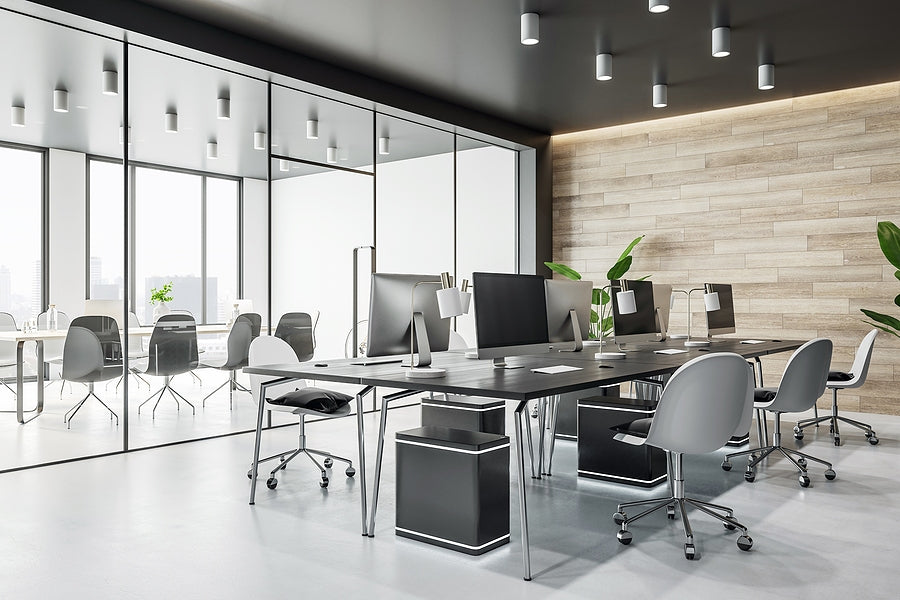
Offices should be open plan, but also allow for semi-private spaces so employees can focus. There should be a lot of natural light for its health benefits, but also need to minimise glare at all costs.
In this respect, frosted glass has become a multipurpose design tool, capable of allowing light to cascade but not overwhelm, whilst also allowing for more private cubicle spaces to be developed without losing that airiness that makes an open plan space so desirable.
However, as with any other design material, frosted glass is not a one-size-fits-all solution, and whilst it will work for many offices and is more likely to be used somewhere in your office than not, there are places where the benefits of frosted glass have unintended drawbacks.
To understand why, it is important to understand the advantages of frosted glass before exploring the situations where they could be counterproductive.
What Are The Key Advantages Of Frosted Glass?
Equal parts decorative option and highly effective privacy solution, frosted glass allows light to enter the room, but by blurring images it helps to ensure privacy, creates separate working zones as part of larger open-plan spaces and allows for subtle branding and decoration.
However, it does have some particularly major benefits, including:
- Improving the diffusion of light across a workspace without compromising privacy
- Reducing glare and its effects on productivity
- Easy cleaning and maintenance
- A stylish design that evokes modernity
All of these benefits are why frosted glass is used as extensively as it is; however, there are places and situations where an alternative glass solution is better.
Should Frosted Glass Be Used In Low-Light Rooms?
Frosted glass is perfect for rooms with bright, even harsh lighting, as well as rooms with large south-facing windows which would have a tendency to receive considerable amounts of natural light.
If your room has relatively narrow windows and already feels relatively dark, frosted glass will make it feel even darker, something that is somewhat suboptimal when daylighting is often a reason for using frosted glass rather than other more opaque partitions.
Should Frosted Glass Be Used If Your Office Has A Fantastic View?
Frosted glass, by definition, affects visibility, but whilst this is incredible for privacy, it can go both ways, particularly if your office is located somewhere with a remarkable view.
More practically, if your office is located on a mezzanine overlooking a factory or workshop floor, frosted glass is particularly unhelpful, both practically and by creating a divide between different parts of your team.
A glass tint designed with UV prevention in mind or a set of curtains may be a better solution in this case.
Does Frosted Glass Provide Soundproofing?
Meeting rooms and closed offices often have frosted glass for privacy reasons, but this should be accompanied by additional lamination or dedicated acoustic glass.
Frosted glass does not offer any sound insulation benefits compared to regular glass, so whilst it looks more private, it should be used in combination with other soundproofing methods if confidentiality is a priority.