Cart
0

When designing glass intended to be walked on, a lot of considerations need to be made for the atmospheric conditions, traffic, privacy, aesthetics and ambience, but these needs are multiplied when designing walk-on glass intended to be used outdoors.
External walk-on glass structures have become hugely popular over the past decade; China has several dozen glass-bottom bridges alone, intended to support thousands, if not tens of thousands of people walking on them per day.
Given how many uses structural glass has in modern building design, both for residential and commercial use, there is a wealth of different types of walk-on glass, each of which has a different construction method, thickness and set of standards to meet.
The biggest differences are found between glass designed to be used indoors and panels designed for outdoor purposes, which need to be considered if your architectural plans involve a glass skylight or a glass skybridge between two different parts of a building.
What Are The Main Priorities Of Internal Glass?
Every walk-on glass project has particular needs and standards, but the predominant priorities of internal glass used for corridors, staircases, meeting areas and areas of historical or natural interest are about ensuring the floor is safe for the level of expected traffic and comfortable for all building users.
As such, the main priorities besides sheer strength and aesthetics are:
- Slip-Resistance - An abrasive coating or finish is a requirement for all glass floors, but high-traffic areas need them even more than most due to the duty of care that employers and building managers have.
- Acoustic Dampening - Hard surfaces can sometimes cause footsteps to make considerable noise, particularly with hard soles and heels. A dampening layer helps to soften that sound and create a more comfortable working environment.
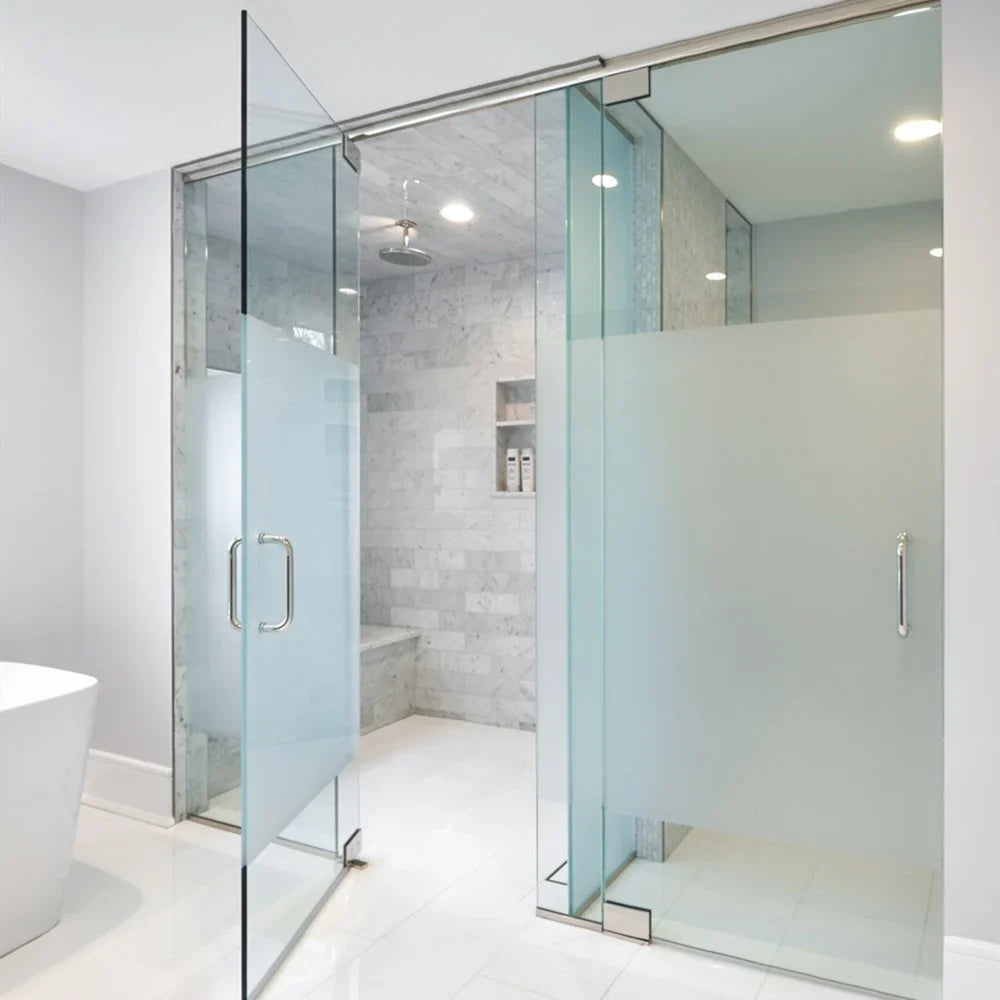
- Privacy - Most glass floors and staircases have relatively limited opacity, allowing light through but ensuring that people using rooms above and below have their privacy respected.
What Are The Main Priorities Of External Glass?
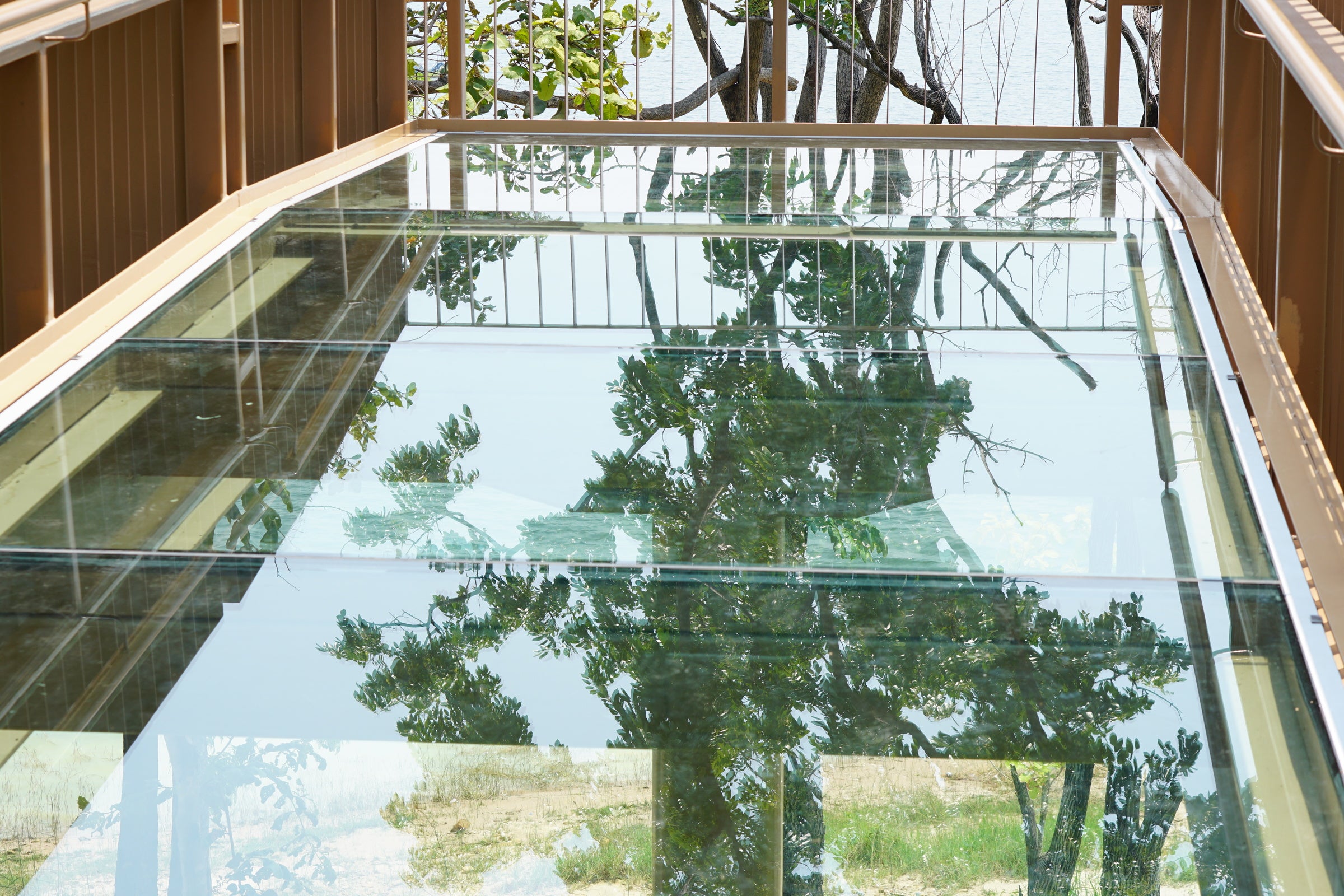
External glass, by contrast, consists of walkways, bridges, walkable skylights and certain kinds of footpaths, often integrating lights to provide a unique aesthetic during especially dark nights or providing exceptional unobstructed views across areas of natural beauty.
Whilst slip resistance, privacy and to a lesser degree acoustic dampening are often important to a certain degree, external walk-on glass has other priorities and needs to take into account very different environmental factors.
- Weatherproofing - The biggest change is that the glass, framing and any additional structural elements of your walk-on glass need to be capable of handling snow, rain showers, strong winds, and stormy weather.
- Solar Gain - Direct sun exposure can have a wide range of troublesome effects if your glass is not designed to handle them, including spontaneous breakage in certain unusual climates. External walk-on glass needs to take them into account.
- Subsidence And Bridge Effects - Outdoor structural glass needs to take into account that the earth tends to move and exert variable forces on materials. Walk-on glass and especially framing systems need to take this into account.