Cart
0
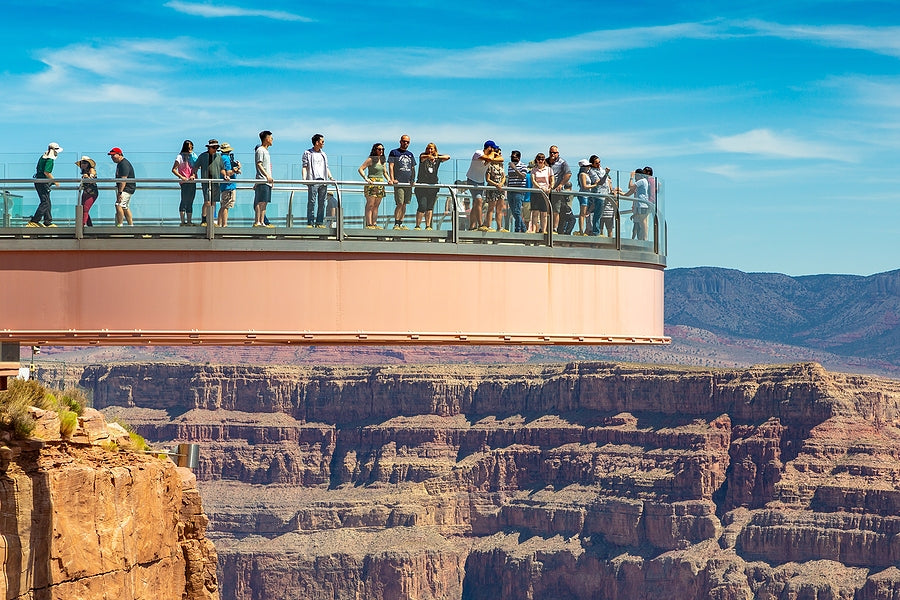
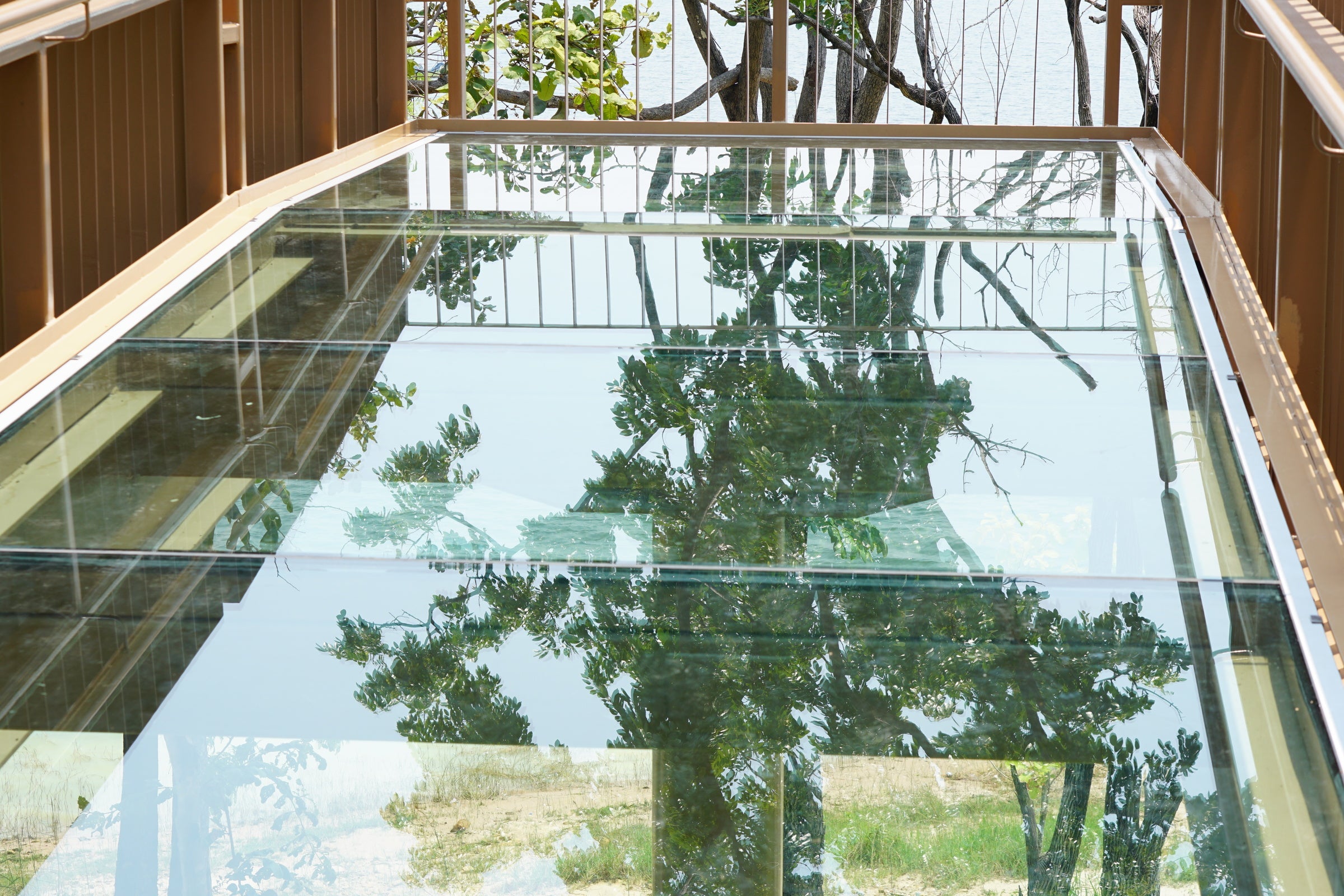
A revelation in the construction of ponds and aquariums was the development of clear toughened laminated glass that could withstand the effects of water pressure and provide viewing windows or even a way to walk across the water safely without disturbing the fish.
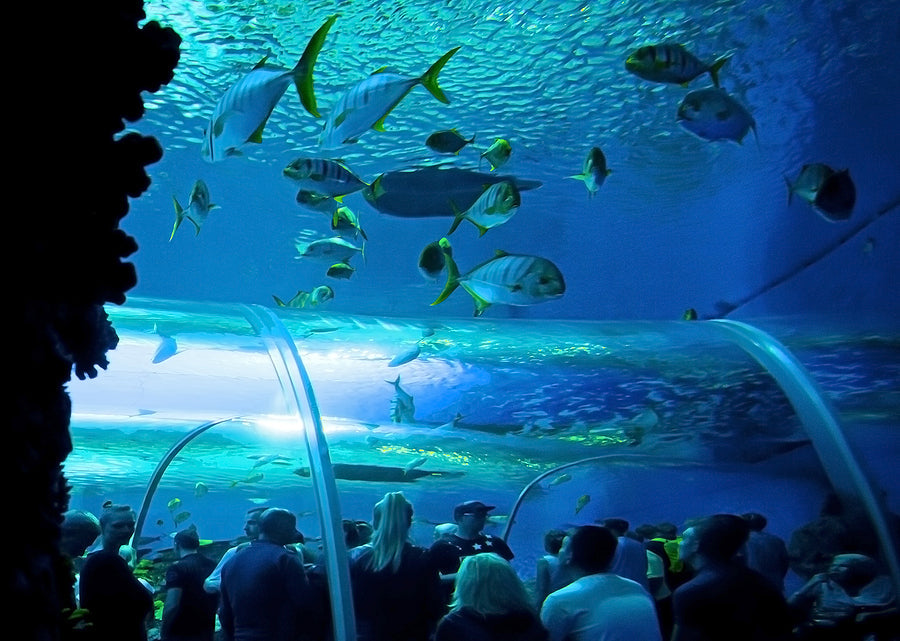
Probably the most ambitious and remarkable achievement in this regard is the development of underwater tunnels that allow you to observe fish from underneath in a more natural-looking environment.
These aquarium tunnels or shark tunnels are a major part of modern aquariums, and have become increasingly used for observation in luxury homes, hotels and even restaurants.
Who invented it? What was the inspiration? And why do they continue to endure to this day?
Who Invented Aquarium Tunnels?
Whilst it can sometimes be difficult to truly find the innovator of some glass-based innovations, the curved, toughened laminated acrylic curved glass panels that make up an aquarium tunnel were the invention of one remarkable diving pioneer.
Equal parts diver, marine archaeologist and treasure hunter, Kelly Tarlton (1937-1985) was a New Zealander who dedicated his life to the ocean, dividing his time between marine biology and expeditions to find sunken ships from the Age of Sail laden with gold treasures.
By the 1980s, he was inspired to create a new kind of aquarium, one which had never been seen before and provided a completely new experience.
Why Were Curved Glass Tunnels Used?
Mr Tarlton’s idea was to create curved glass tunnels by taking clear sheets and using an oven to melt them into the shape he needed. Not only did Kelly Tarlton come up with the idea, but he also built the oven to mould the tunnels.
He was inspired by underground sewage networks in Auckland, New Zealand, that had been left abandoned but provided the perfect opportunity to bring people as close to undersea life as he had been diving underwater and swimming with sharks.
Known initially as Kelly Tarlton’s Underwater World (Now Kelly Tarlton’s Sea Life Auckland), the new aquarium was dramatically different, allowing people to look all around them at the vast breadth of underwater life.
Helping this was a series of underwater conveyor belts, which allowed people to move through the aquarium at a relaxed, predictable pace.
It was immediately successful and very popular, but Kelly Tarlton would tragically not live to see just how influential it was. He died from a heart condition at the far-too-young age of 47 on 17th March 1985, just seven weeks after his aquarium opened.
Why Are Curved Glass Tunnels Still Used To This Day?
The curved aquarium tunnel design showcased just how strong glass was; not only could you walk on it, and not only could it protect people from gallons of water, but you could also build one underwater, and it would survive the intense pressures of the sea.
The aquarium tunnel idea would be used in a huge number of major aquariums, often becoming known as shark tunnels as they became the closest most people would ever come to swimming with the dangerous underwater mammal.
They also became influential in pool design, showcasing the almost-limitless possibilities that came from structural glass.